Problems & fixes
Why Does Cured Epoxy Resin Turn Yellow?
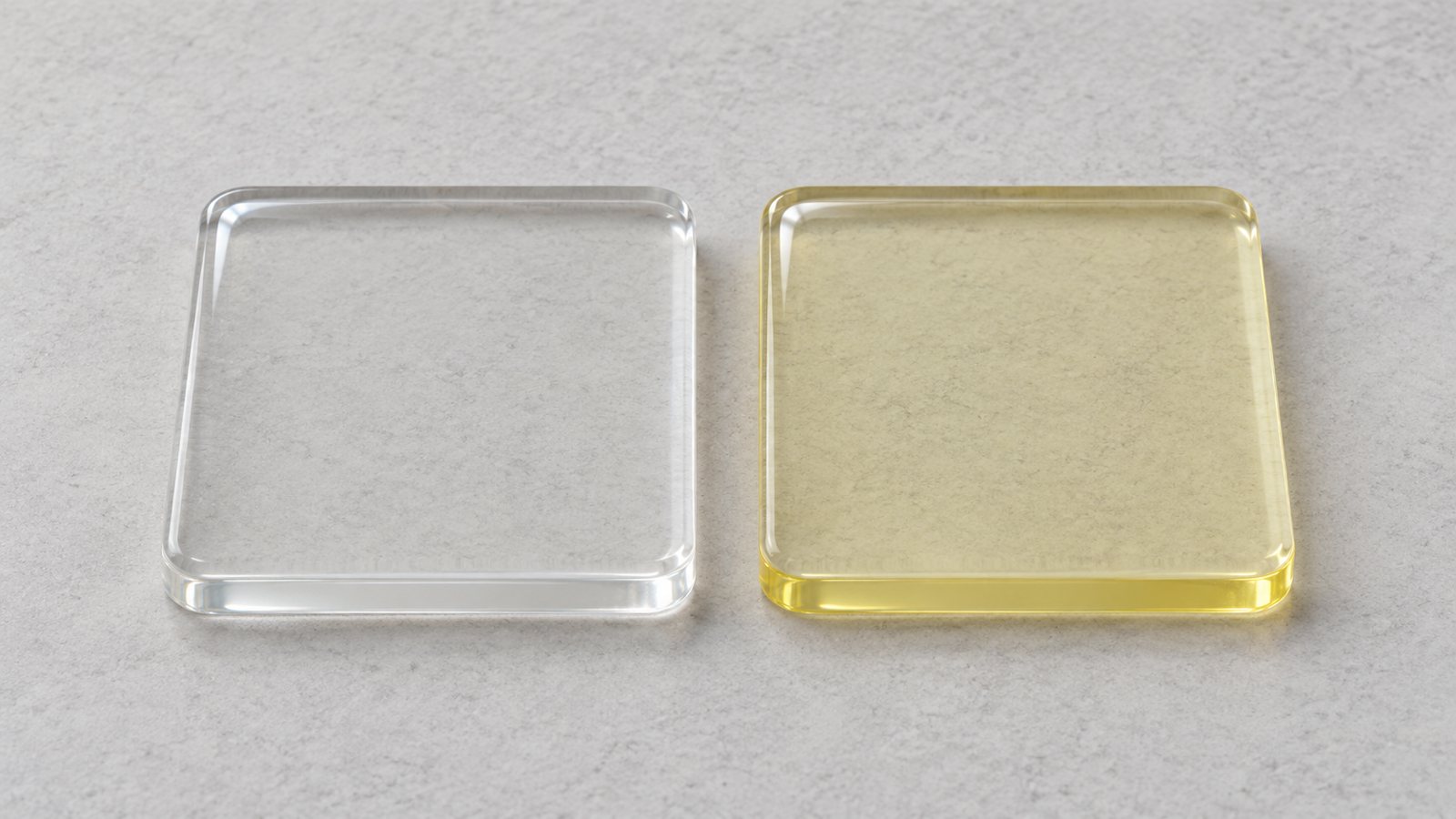
Epoxy resin is valued for its crystal-clear appearance, glossy finish, and ability to enhance the colours and details of artwork. However, over time, some resin pieces may gradually develop a yellow or amber tint.
This discolouration is commonly known as yellowing. It can occur even when the resin has been measured, mixed, and cured correctly.
Understanding the causes of yellowing can help artists choose suitable materials, protect their finished artwork, and minimise unwanted colour changes.
Why Does Cured Epoxy Resin Turn Yellow?
Yellowing is often associated with chemical changes in the cured resin caused by exposure to ultraviolet (UV) light, heat, oxygen, and natural ageing.
However, not every yellow-looking resin piece has undergone the same type of discolouration. Sometimes the problem originates from the materials beneath the resin rather than the epoxy itself.
1. Exposure to UV Light
UV radiation, particularly from sunlight, is one of the main causes of yellowing in cured epoxy resin.
Prolonged UV exposure can trigger chemical reactions within the resin’s polymer structure, gradually producing compounds that absorb visible light and give the material a yellowish appearance.
Depending on the formulation and severity of exposure, UV degradation may also contribute to gloss loss, surface deterioration, or other changes in appearance.
Some epoxy formulations contain UV absorbers and hindered amine light stabilisers (HALS) to help slow degradation. However, their effectiveness varies between products, and no stabiliser can guarantee permanent protection against yellowing.
Prevention
Avoid displaying resin artwork in direct sunlight or locations with prolonged UV exposure. Choose a resin formulated for improved colour stability, particularly for transparent or light-coloured projects.
2. Exposure to High Temperatures
Prolonged exposure to elevated temperatures can accelerate chemical ageing and discolouration in cured epoxy resin.
Artwork stored in hot environments or displayed near heat sources may develop yellowing more quickly.
Examples include:
-
Artwork displayed near radiators or heating vents.
-
Resin pieces stored in hot vehicles or poorly ventilated storage areas.
-
Artwork placed in sunny windows or conservatories.
-
Resin displayed close to lighting fixtures that generate excessive heat.
Heat-related ageing may occur independently of UV exposure, although sunlight can expose artwork to both.
Prevention
Keep finished resin artwork away from prolonged heat exposure and follow the manufacturer’s recommended service-temperature limits.
3. Excessive Heat During Application
Excessive heat applied while removing bubbles can cause localised discolouration or other surface defects.
Holding a torch or heat gun too close to the resin, or repeatedly heating the same area, may result in overheating, surface ripples, or yellowish marks.
Unlike gradual yellowing caused by ageing, heat damage during application may appear in isolated areas rather than across the entire piece.
Prevention
Use heat only when permitted by the resin manufacturer. Keep the tool moving, avoid repeated heating, and follow the recommended application method.
A torch should never be used near flammable materials, solvent-containing additives, or other substances that could ignite.
4. Oxidation and Natural Ageing
Oxidation involves chemical reactions with oxygen that can gradually alter the structure and appearance of certain epoxy formulations.
Over time, these reactions may contribute to yellowing, even when the artwork is not exposed to direct sunlight.
The rate of discolouration depends on the resin’s chemical composition, environmental conditions, and stabilising additives.
Although careful storage and display conditions can slow ageing, they cannot necessarily prevent it entirely.
5. Resin Formulation
Not all epoxy resins have the same resistance to yellowing.
The chemical structure of the resin, the hardener system, and the presence of stabilising additives influence how the material responds to UV exposure, heat, and ageing.
Some epoxy products are specifically formulated for clear decorative coatings, while others prioritise different properties, such as mechanical strength, chemical resistance, or casting performance.
When selecting a resin, consider its intended application and any available information about colour stability.
Important: Terms such as UV-resistant or non-yellowing should not be interpreted as guarantees that the resin will remain perfectly clear indefinitely.
6. Yellowing of Sealants and Underlying Materials
Sometimes the yellow appearance does not originate from the epoxy itself.
Paints, sealants, varnishes, adhesives, and other materials beneath a transparent resin coating may discolour over time, making the entire artwork appear yellow.
Certain protective coatings can also change colour as they age.
For example, a sealant that initially dries clear may gradually develop an amber tint, affecting the appearance of the resin-coated artwork.
Prevention
Choose compatible materials with suitable colour stability. Allow paints and sealants to dry or cure fully before applying epoxy resin, following their manufacturer’s instructions.
For unfamiliar material combinations, prepare a small test sample before coating the finished artwork.
7. Applying Resin Over Incompletely Dried Paint
Applying epoxy resin over paint that has not dried or cured sufficiently can create problems beneath the coating.
Residual moisture or solvents may become trapped, potentially causing cloudiness, adhesion problems, or other changes in appearance.
These defects should not automatically be confused with the chemical yellowing associated with UV exposure or oxidation.
Drying time depends on the paint formulation, application thickness, temperature, and humidity.
Prevention
Allow the underlying paint to dry or cure according to its manufacturer’s instructions before applying resin. A surface that feels dry to the touch may not necessarily be ready for coating.
8. Why Yellowing Is More Noticeable in Thick Resin
The thickness of a resin piece can influence how noticeable discolouration becomes.
When light passes through a thicker section of slightly yellowed resin, it travels through more coloured material. As a result, the amber tint may appear stronger than it does in a thin coating. This is particularly noticeable in deep castings or artwork containing several transparent resin layers.
A thicker piece does not necessarily yellow faster. Instead, its greater optical thickness can make existing discolouration more visible.
For projects requiring exceptional transparency, consider both the resin’s colour stability and the intended casting thickness.
Does White or Coloured Resin Also Turn Yellow?
Yes. Pigmented resin can undergo the same ageing processes as transparent epoxy.
However, the appearance of yellowing depends on the colours used. White and pale-coloured artwork may show discolouration more clearly, while dark or strongly pigmented pieces may conceal subtle changes. Some pigments and dyes may also fade or change colour independently of the epoxy. Titanium dioxide, commonly used in white pigments, should not automatically be considered a cause of epoxy yellowing. Its behaviour depends on factors such as pigment grade, surface treatment, formulation, and exposure conditions. For important projects, use compatible colourants with suitable lightfastness and test unfamiliar combinations.
How to Prevent Epoxy Resin from Yellowing
Although yellowing cannot always be eliminated, the following precautions can help preserve the appearance of resin artwork.
-
Choose a suitable resin. Select an epoxy formulated for clear artwork with documented colour-stability properties where available.
-
Limit UV exposure. Avoid displaying finished pieces in direct sunlight for extended periods.
-
Protect artwork from excessive heat. Keep resin away from radiators, hot storage areas, and other sources of sustained heat.
-
Avoid overheating during application. Follow the manufacturer’s guidance when using heat to remove bubbles.
-
Respect pouring limits. Excessive casting thickness or large mixed batches can generate significant heat during curing and may cause discolouration or other defects.
-
Use compatible paints and sealants. Choose materials suitable for epoxy coating and allow them to dry or cure fully.
-
Maintain appropriate curing conditions. Follow the recommended temperature, humidity, and curing requirements.
-
Consider additional UV protection. A compatible UV-resistant protective coating may help slow discolouration, but its effectiveness depends on the materials and exposure conditions.
Can Yellowed Epoxy Resin Become Clear Again?
Unfortunately, yellowing caused by chemical changes within cured epoxy resin is irreversible.
Cleaning the surface will not remove discolouration that has developed throughout the material.
However, the appropriate solution depends on where the yellowing originates.
| Type of discolouration | Possible solution |
|---|---|
| Yellowing throughout cured resin | Generally cannot be reversed |
| Yellowed removable surface coating | Refinishing may help |
| Discoloured paint or sealant underneath | May require removing or replacing affected layers |
| Localised heat damage | Surface repair may help if damage is shallow |
| Thick resin showing an amber tint | Adding clear resin will not remove the existing colour |
If yellowing is limited to a removable surface layer, carefully sanding and refinishing may improve the appearance.
However, sanding will not restore clarity when the discolouration extends throughout the resin. Before attempting repairs, determine whether the affected material can be removed without damaging the underlying artwork.
Tip: Applying another clear resin layer over yellowed epoxy will not reverse the original discolouration and may make the yellow tint more noticeable by increasing the total thickness.
Final Thoughts
Yellowing is a common ageing characteristic of epoxy resin, influenced by UV exposure, heat, oxidation, and chemical formulation.
However, not every yellow-looking artwork has experienced the same problem. Discolouration may also originate from underlying paints, sealants, excessive heat during application, or the greater visibility of a slight tint in thick resin.
Although yellowing caused by chemical degradation is generally irreversible, selecting suitable materials, controlling application conditions, and protecting finished artwork from prolonged sunlight and heat can help preserve its appearance.
Understanding these factors allows resin artists to make better material choices and improve the long-term colour stability of their work.