Problems & fixes
Amine Blush on Epoxy Resin: How to Recognise, Remove and Prevent It
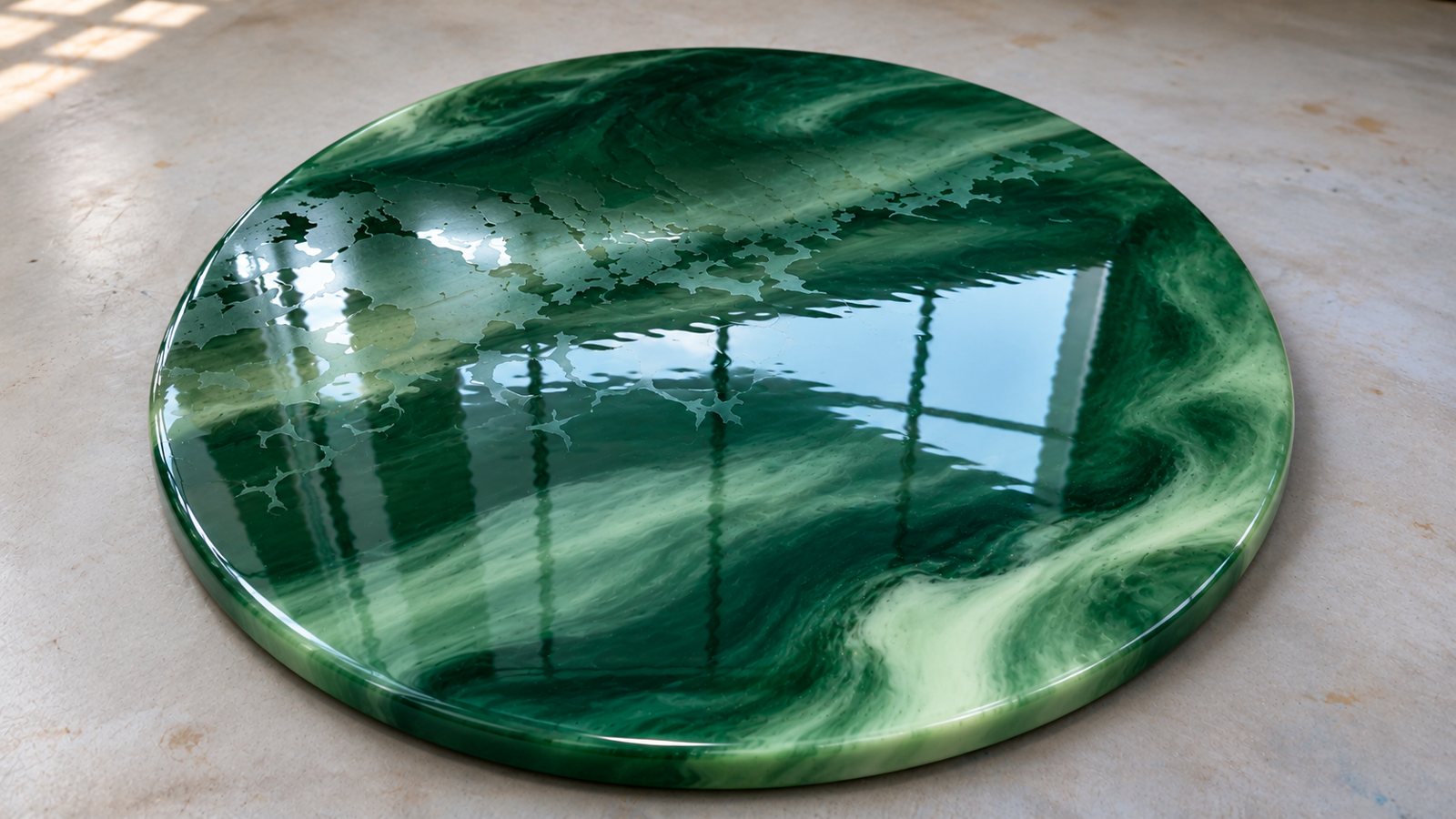
A hazy or greasy film on a resin surface can be frustrating, especially when you expected a clear, glossy finish. One possible cause is amine blush—a surface deposit that can develop as some epoxy resins cure.
Blush can affect the appearance of the piece and interfere with later coatings. However, it does not automatically mean the resin underneath has failed. The important first step is to distinguish a removable surface film from a curing problem.
What Is Amine Blush?
Amine blush forms when components of an amine-based epoxy hardener react with moisture and carbon dioxide in the air during curing.
The resulting deposit forms on the surface. It may look cloudy or feel waxy, greasy, or slightly sticky. Sometimes it is difficult to see.
Not all epoxy formulations are equally prone to blush, so the likelihood varies between products.
Why Does It Happen?
Cool, humid conditions can encourage blush formation. Lower temperatures can also slow curing, leaving more time for surface reactions to occur.
Conditions around the piece matter throughout curing, not just while mixing and pouring. A room that becomes cooler or more humid overnight may produce a different result from one kept stable.
Condensation is another concern. Moisture can collect on a cool surface when it is exposed to warmer, humid air.
How to Recognise Amine Blush
Possible signs include:
-
A thin waxy or greasy surface film.
-
Hazy patches or reduced gloss.
-
A surface that feels different from the hard resin underneath.
-
Difficulty getting a later coating to adhere.
These signs are clues, not a definite diagnosis. Cloudiness, tackiness, and uneven surfaces can also have other causes.
Amine Blush or Under cured Resin?
Amine blush is a surface deposit; under curing affects the resin itself.
If the piece has reached the manufacturer’s expected curing time and feels hard beneath a removable film, blush may be the problem.
If it remains soft, gummy, easily dented, or sticky after washing and drying, investigate possible curing issues. Incorrect measuring, incomplete mixing, or unsuitable temperatures may require a different repair.
Do not assume that every sticky surface can be fixed by washing or applying another coat.
How to Remove Amine Blush
Step 1: Let the Resin Harden Sufficiently
Follow the manufacturer’s instructions before washing or handling the piece. Avoid scrubbing a surface that is still too soft, as this may leave marks.
Step 2: Wash Before Sanding
Remove the film using clean water and the washing method recommended for your epoxy. Some manufacturers recommend warm water with a small amount of mild soap.
Use a clean cloth or suitable pad to loosen the residue, then remove it with fresh water. Avoid soaking exposed wood, backing boards, or other water-sensitive parts.
Do not sand first. Sanding can clog the abrasive and spread the residue across the surface.
Blush is water-soluble, so solvent wiping should not replace washing.
Step 3: Treat Any Remaining Film
If residue remains, repeat the wash. Where the manufacturer permits it, use a suitable non-scratch or mildly abrasive pad with gentle pressure.
An abrasive pad may dull the finish. Test carefully and avoid decorative coatings, painted edges, and delicate details.
Step 4: Rinse, Dry, and Inspect
Remove loosened residue and any soap thoroughly. Allow the piece to dry completely, checking edges and recesses for trapped moisture.
Inspect it again when dry. If the film is gone and the finish is satisfactory, further treatment may not be necessary.
Do You Need to Sand and Recoat?
Not every case of amine blush needs another resin layer. Washing may be enough if it removes the deposit without affecting the finish.
Consider sanding and recoating if the cleaned surface remains uneven or has been scuffed during removal.
Before recoating:
-
Confirm that the resin beneath is properly hardened.
-
Remove all remaining blushes.
-
Sand according to the coating manufacturer’s instructions.
-
Remove sanding residue and dry thoroughly.
-
Apply a compatible coating under suitable conditions.
Do not coat over blush. It can interfere with adhesion, and a fresh layer will not correct unresolved curing problems underneath.
How to Reduce the Risk
Follow Your Resin’s Curing Requirements
Use the temperature and humidity limits specified for your product. A single recommended range does not suit every epoxy.
Keep conditions stable for the required curing period, including overnight.
Monitor the Work Area
A thermometer and hygrometer help you track temperature and relative humidity near the piece.
Air conditioning or a dehumidifier may help control the environment but avoid excessive cooling or direct airflow over wet resin.
Avoid Condensation
Allow cold materials and workpieces to reach suitable working conditions before starting. Keep surfaces and tools dry.
Choose a Suitable Curing Location
An enclosed indoor space is generally easier to control than an outdoor area exposed to rain, dew, or changing humidity.
A dust cover protects against falling particles, but it does not control humidity.
Does “Non-Blushing” Mean It Cannot Happen?
Products described as non-blushing are formulated to reduce the problem. Still, follow their preparation instructions and investigate any unusual surface film before applying another coating.
When to Investigate Further
If washing does not remove the problem, or the resin remains soft or sticky beyond its expected curing time, contact the manufacturer before sanding or recoating.
Knowing whether you are dealing with a surface deposit or an under cured layer helps you choose the right repair and avoid covering up the underlying problem.